
You have extra cash — a bonus, savings, a matured deposit. Your home loan still has 12 years to run. Should you throw that money at the loan, or invest it? The internet is full of strong opinions; this guide gives you the math to decide for yourself.
Why Prepayment Saves So Much
Home loans use amortization: your EMI stays fixed, but the split between interest and principal changes every month. Early EMIs are mostly interest; later ones mostly principal. A prepayment attacks the principal directly, and because future interest is calculated on the reduced balance, the savings compound.
Worked example: $200,000 loan, 7% interest, 20-year tenure.
- Total interest without prepayment: ~$168,000
- One $20,000 prepayment in year 3: saves ~$35,000+ in interest and cuts ~3 years off the loan
That’s a 175% “return” on the prepaid amount — risk-free and tax-free.
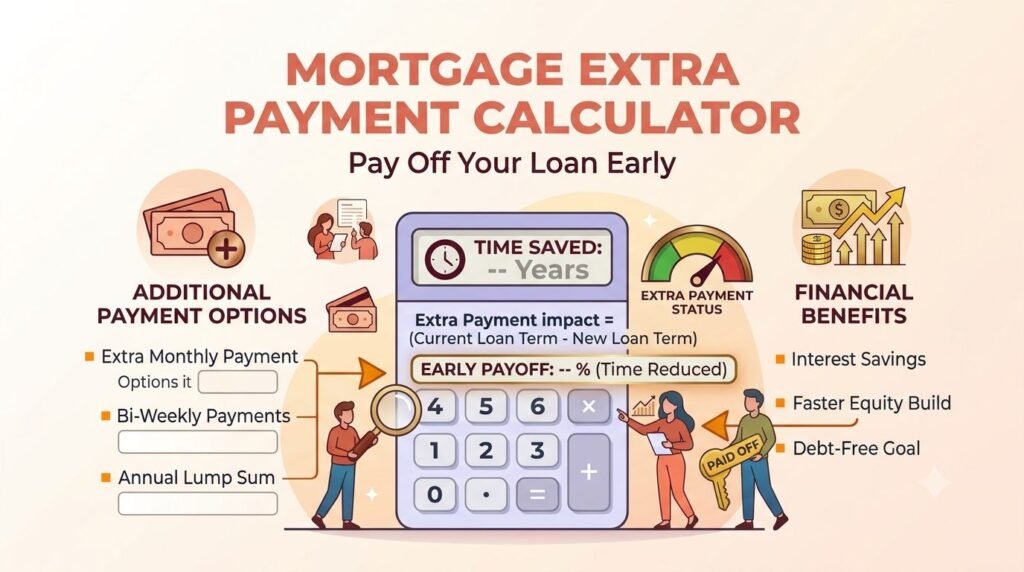
Run your own numbers: Use our free Home Loan Prepayment Calculator to compare your loan with and without prepayment — total interest, years saved, everything. Also try the Compound Interest Calculator to model the invest-instead scenario.
The Prepay vs Invest Question
This is the real debate. Compare two numbers:
- Your loan’s interest rate (say 7%) — prepaying “earns” you this rate, guaranteed.
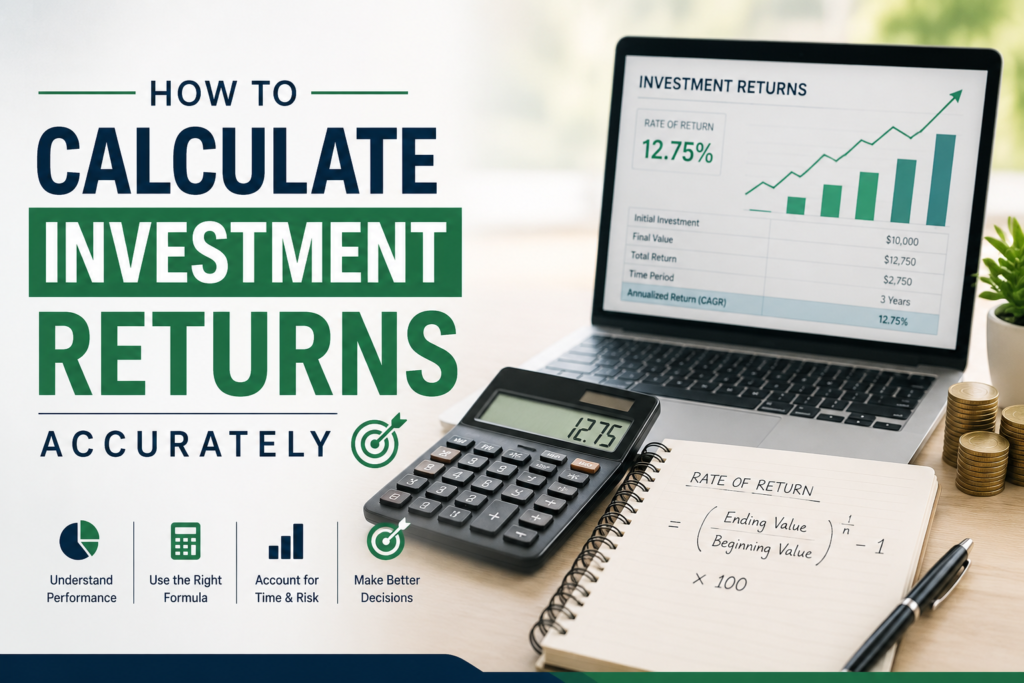
- Your expected investment return (say 10% from equity funds) — higher, but not guaranteed and taxable.
Rule of thumb:
- Loan rate higher than safe investment returns → prepay
- You can reliably earn clearly more by investing (and can handle the risk) → invest
- Can’t decide → split it: prepay half, invest half
Don’t forget taxes: in many countries, home loan interest gives tax deductions, which lowers the effective loan rate — factor that in before deciding.
5 Situations Where Prepaying Wins
- High interest rate loan. Above 8–9%, prepaying is almost always the better deal.
- Early in the loan. The first half of the tenure is when prepayments destroy the most interest.
- Variable income. Freelancers and business owners benefit from the safety of lower fixed obligations.
- Near retirement. Entering retirement debt-free beats chasing market returns.
- You’d otherwise spend it. If the “extra cash” will evaporate into lifestyle spending, prepaying is forced saving.
4 Situations Where You Shouldn’t Prepay
- Prepayment penalties exceed savings. Always check your loan agreement first.
- No emergency fund. Never empty your safety buffer — keep 3–6 months of expenses liquid.
- Cheap loan, high-return alternative. A 4% loan vs a 10% expected market return? Investing likely wins.
- You need liquidity soon. Money locked into home equity is hard to access in an emergency.
Reduce Tenure or Reduce EMI?
When you prepay, lenders usually offer two choices:
Option | Effect | Best when |
|---|---|---|
Reduce tenure | Same EMI, loan ends sooner — maximum interest saved | You can afford the current EMI comfortably |
Reduce EMI | Same end date, lower monthly payment — breathing room | Cash flow is tight |
For maximum savings, always reduce the tenure.
Frequently Asked Questions
How much can I save by prepaying my home loan?
It depends on amount, timing, rate, and tenure — but even modest early prepayments routinely save tens of thousands in interest. Run your exact numbers in our calculator below.
Is there a penalty for prepaying a home loan?
Some fixed-rate loans charge 1–2%; many floating-rate loans charge nothing. Check your agreement — penalties are usually the only reason not to prepay.
Should I prepay in the beginning or end of the loan?
Beginning, by a mile. A prepayment in year 2 can save 5–10x more interest than the same amount in year 15.
Does prepayment affect my credit score?
Closing a loan early has a small, temporary effect. The improved debt-to-income ratio generally helps more than it hurts.
Can I prepay with small monthly extra amounts instead of a lump sum?
Yes — and it’s often better. Adding even $100/month extra to principal from the start compounds into massive savings.
Disclaimer: This article is for educational purposes only and is not financial advice. Loan terms, penalties, and tax treatment vary by lender and country.