Calorie Calculator Explained: Your Guide to Daily Energy Needs
You know, for years, I just *guessed* at how much I should be eating. I’d try to eat “healthy,” whatever that meant on any given day, and then wonder why the scale wasn’t budging. Or worse, why I felt utterly exhausted or strangely hungry all the time. It was frustrating, honestly. What I wish I’d understood sooner is that our bodies are pretty incredible machines, and just like any machine, they have specific fuel requirements. That’s where a good old Calorie Calculator comes into play. It’s not a magic wand, nope. But it *is* an incredibly powerful starting point for figuring out your body’s unique energy demands. Think of it as mapping out the speed limit on your personal highway to health.
What is a Calorie Calculator and How Does it Work?
So, what exactly is this thing? Well, a calorie calculator is essentially an online tool designed to estimate the number of calories you burn daily. Pretty straightforward, right? It takes a few key pieces of information from you—things like your age, your gender, your height, your current weight, and how active you generally are. Pop those numbers in, and boom, it gives you an estimate. It’s pretty neat, actually.
The Science Behind Calorie Estimation
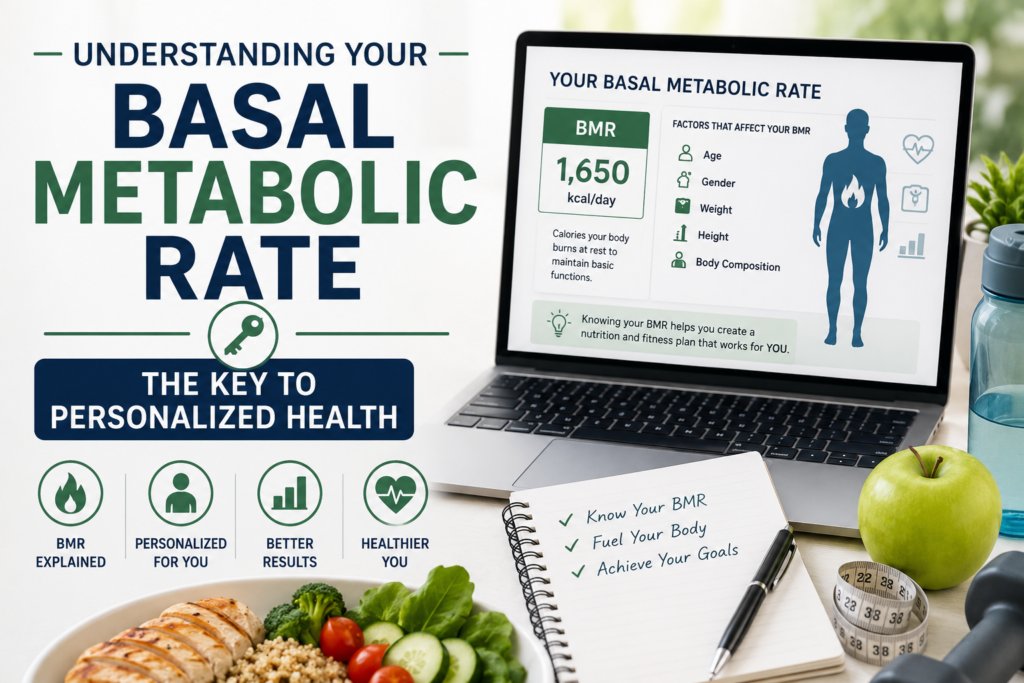
At its heart, a calculator like this relies on a little bit of science, but nothing too scary, I promise. Most of them use established formulas, like the Mifflin-St Jeor equation, to calculate two main things: your Basal Metabolic Rate (BMR) and your Total Daily Energy Expenditure (TDEE). Think of BMR as the energy your body needs just to keep the lights on—breathing, circulating blood, all that basic stuff, even if you just lay in bed all day. Then there’s TDEE; that’s your BMR PLUS all the energy you burn from moving around, exercising, and even digesting food. It’s your total burn for the day. That’s why an accurate TDEE calculator is so useful!
Key Factors Influencing Your Calorie Needs
You know, calorie needs aren’t one-size-fits-all. They really aren’t. Your metabolism definitely plays a huge role. Some folks just naturally burn more, others less. Age is another big one—our metabolism tends to slow down a bit as we get older, which is a cruel trick, isn’t it? Gender matters, too; typically, men have higher muscle mass and larger body frames, so they often need more calories than women. And, of course, your muscle mass and overall body size are huge factors. More muscle means more energy burned, even at rest! So, that’s why an accurate BMR calculator is really helpful.
Why Use a Calorie Calculator?
Look, it’s not just for people trying to shed a few pounds, though it’s certainly great for that. A calorie calculator is a fantastic tool for *anyone* who wants a clearer picture of their energy balance. It helps you get strategic about your nutrition, no matter your goal.
Setting Realistic Weight Loss Goals
This is probably where most people first stumble upon a calorie counter for weight loss. If you want to lose weight, you generally need to consume fewer calories than you burn. Simple math, right? But how much less? The calculator gives you your maintenance number, and then you can subtract a reasonable amount (say, 300-500 calories) to create a sustainable deficit. It’s like having a personalized ‘how many calories to lose weight calculator’ at your fingertips, helping you set realistic expectations instead of just slashing calories blindly and feeling miserable. That’s a mistake I’ve made, and trust me, it doesn’t work long-term.
Planning for Healthy Weight Gain
On the flip side, some folks are trying to gain weight, maybe for muscle building or simply to reach a healthier body weight. A weight gain estimator works similarly. You’ll find your maintenance calories, and then you’ll understand how many extra calories you need to consume to hit your goal. It’s about a surplus, but a controlled, healthy one, focusing on nutrient-dense foods, not just empty calories. It’s just as important to estimate intake for gaining weight as it is for fat loss.
Maintaining Your Current Weight
Perhaps you’re happy with your current weight, but you want to ensure you *stay* that way. This is where the concept of ‘calorie maintenance’ really shines. The calculator helps identify that sweet spot – the number of calories you need to eat daily to keep your weight exactly where it is. It’s super valuable for understanding your baseline and avoiding accidental drift. You know, sometimes you just want stability, and this tool helps you find it.
How to Effectively Use Your Calorie Calculator Results
Getting a number from a calculator is one thing; actually *using* it is another. It’s all about translating those digits into real-world food choices.
Understanding Your Basal Metabolic Rate (BMR)
Okay, so your BMR is a really fundamental number. It tells you the minimum energy your body needs to function if you were completely at rest. It’s often misunderstood, I think. This isn’t the number of calories you should *eat* in a day; it’s just the basic running cost. Knowing your BMR can be quite enlightening, helping you appreciate just how much energy your body uses even when you’re doing absolutely nothing. It puts that whole “kcal en calorie” thing into perspective – they are indeed the same unit of energy, just different terms sometimes, but both matter here!
Accounting for Activity Levels
This is where things get a bit more fluid. The activity level you choose for the calculator—whether you’re sedentary, lightly active, moderately active, or very active—will significantly impact your estimated TDEE. Be honest with yourself here! It’s easy to overestimate how much you move. If you work a desk job and hit the gym three times a week, you’re not “very active” like a construction worker or a professional athlete. That honesty will give you a much more accurate estimate of how much calories you should burn a day. This also factors into the total calories needed for effective weight loss or gain.
Converting Results into Actionable Steps
Alright, numbers in hand, what next? This is the fun part – where the rubber meets the road. If your goal is weight loss (or fat loss, if we’re being precise, because that’s usually what people mean), you’ll aim to eat slightly below your TDEE. For gain, slightly above. You’ve got to track what you’re eating, at least for a little while, to see how your usual intake stacks up. My advice? Don’t dive straight into perfection. Make small, sustainable changes. Consistency really trumps intensity any day of the week. And remember, the calculator gives you a *starting point*—your body might respond a little differently, so be prepared to adjust subtly after a week or two. That’s why weightloss calculator results need careful, thoughtful application! And for those curious about the “lbs to calories” conversion, generally, one pound of fat is roughly 3,500 calories; so a 500-calorie daily deficit aims for about a pound a week.
Common Misconceptions About Calorie Counting
I’ve heard them all, believe me, from folks giving calories a bad rap. Let’s clear up a couple of common misunderstandings.
Calories are Not ‘Good’ or ‘Bad’
This is a big one. A calorie, fundamentally, is just a unit of energy. It’s not inherently “good” or “bad.” A hundred calories from an apple and a hundred calories from a cookie *both* provide energy. The difference, of course, is what else those calories bring to the table in terms of nutrients. But the calorie itself? Neutral. It’s just fuel.
It’s Not Just About the Numbers
While a gain weight calculator or a fat loss calculator can give you a target number, it’s crucial to remember that food quality absolutely matters. Eating your target calories in highly processed junk food is not the same as eating the same number of calories from whole, unprocessed foods. Nutrients, fiber, vitamins, minerals – these are all vital for health, satiety, and overall well-being. So, yes, the numbers are a guide, but aim for nutrient density too. It’s the whole package.
Beyond the Calculator: A Holistic Approach
A calorie calculator is an awesome tool, I truly believe that. It gives us a measurable starting point, a blueprint almost. But it’s just *one* piece of the puzzle. Real health, long-term health, involves so much more. We’re talking quality sleep, consistent movement (not just formal exercise), managing stress (which can derail everything!), staying hydrated, and nurturing positive relationships. Don’t fall into the trap of thinking calories are the *only* thing. They’re a valuable guide, but don’t forget the rest of your well-being. It’s holistic, you know?
Frequently Asked Questions About Calorie Calculators
How accurate are calorie calculators?
Honestly? They’re really good *estimates*. They use established scientific formulas, but remember, every body is unique. Your actual burn might be slightly higher or lower. Think of it as a strong starting suggestion, not a cast-in-stone command. You’ll probably fine-tune it based on how your body responds over a few weeks.
Can I just eat my BMR calories to lose weight faster?
Whoa there, slow down! Eating at or below your BMR is generally not recommended long-term. Your BMR is what your body needs for basic survival. Going too far below that can lead to nutrient deficiencies, muscle loss, slow metabolism, and frankly, make you feel terrible. It’s not sustainable or healthy. Always aim for a moderate deficit from your TDEE.
Do I need to track calories forever?
Not necessarily! Most people find that tracking for a few weeks or months gives them a much better understanding of portion sizes and calorie density in different foods. After that, you often develop an intuitive sense. Think of it as training wheels – you don’t need them once you learn to ride.
What if I don’t see results right away?
Patience, my friend, is key! Our bodies aren’t machines on a perfect schedule. Many factors impact weight fluctuations, like water retention, hormones, and even sleep. Give it at least 2-4 weeks of consistent effort before making big adjustments. If after that you’re still stuck, then re-evaluate your intake and activity levels.
Should I adjust my calorie intake on rest days versus workout days?
That’s an interesting question! Some advanced strategies do recommend eating slightly less on rest days and a bit more on workout days. But for a beginner, simply sticking to your average TDEE estimate is totally fine and much easier to manage. Don’t overcomplicate it initially.
How does age affect my calorie needs?
Generally, as we age, our metabolism tends to slow down a little bit. This is partly due to natural bodily changes and sometimes a decrease in muscle mass. So, yes, an older person might need slightly fewer calories than a younger person with the same height, weight, and activity level. That’s why age is a critical input for any good calorie calculator.